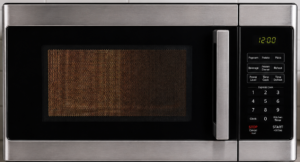
Microwave Oven Repair: Common Problems, Troubleshooting, and Professional Service
A microwave oven is one of the most frequently used appliances in today’s kitchen. Whether you’re reheating leftovers, defrosting frozen food, or preparing a quick meal, a microwave saves both time and energy. Because it is used so often, wear and tear can eventually lead to performance problems. Understanding the common causes of microwave failure and knowing when to call a professional can help extend the life of your appliance while ensuring safe operation.
One of the most common complaints homeowners have is that the microwave runs but does not heat food. The turntable may rotate, the interior light may come on, and the fan may operate normally, yet the food remains cold. This problem is often caused by a failed magnetron, high-voltage diode, capacitor, or transformer. These components work together to generate the microwave energy that heats food. Because these parts operate at extremely high voltages, even after the appliance has been unplugged, repairs should only be performed by qualified technicians.
Another frequent issue is a microwave that will not start. This problem may be caused by a defective door switch, damaged door latch, blown fuse, faulty control board, or failed thermal fuse. Modern microwave ovens include several safety switches that prevent operation unless the door is fully closed and properly latched. Even a slightly misaligned door can prevent the appliance from starting. A technician can quickly diagnose whether the problem is mechanical or electrical.
Microwaves can also develop unusual noises during operation. Buzzing, humming, grinding, or rattling sounds may indicate a failing cooling fan, worn turntable motor, damaged roller guide, or loose internal components. While some noises are harmless, others may signal a component that is beginning to fail. Ignoring unusual sounds can sometimes lead to more extensive and expensive repairs later.
A microwave with a broken turntable is another common repair request. If the glass tray does not rotate, food may heat unevenly, resulting in hot and cold spots. In many cases, the turntable motor, drive coupler, or roller ring simply needs replacement. These repairs are generally straightforward and can restore even cooking performance.
Control panel problems are becoming increasingly common as microwave ovens rely more heavily on electronic controls. Buttons may stop responding, the display may flicker, or the touchpad may become unresponsive. Sometimes the issue is caused by moisture entering the control panel, while other times the membrane switch or electronic control board has failed. Professional diagnosis can determine whether repair or replacement is the more economical option.
Door problems should never be ignored. If the door does not close securely, the microwave should not be used until it has been repaired. Damaged hinges, worn latches, broken springs, or cracked door frames can prevent the safety interlock system from functioning correctly. Since microwave ovens produce electromagnetic energy, proper door alignment is essential for safe operation.
Sparking inside the microwave is another issue that requires immediate attention. Sparks may occur because of metal objects placed inside the oven, damaged waveguide covers, peeling interior paint, or a failing rack support. Continued operation after sparking begins can damage internal components and create additional repair costs. If sparks appear, stop using the microwave immediately and have it inspected before further use.
Preventive maintenance plays an important role in extending the lifespan of a microwave oven. Keeping the interior clean prevents food particles and grease from absorbing microwave energy, which can lead to overheating and arcing. Wipe spills promptly using a soft cloth and mild detergent. Avoid harsh abrasives that can damage the protective interior coating. Regular cleaning of the door seals also helps maintain proper operation.
Many homeowners wonder whether repairing a microwave is worth the investment. The answer depends on several factors, including the appliance’s age, original purchase price, and the cost of replacement parts. Built-in microwave ovens and over-the-range models are often more expensive to replace, making repair a cost-effective option. Countertop models with major component failures may sometimes be less expensive to replace than repair, especially if they are several years old.
Safety should always be the highest priority when dealing with microwave repairs. Unlike many household appliances, microwave ovens contain high-voltage capacitors capable of storing thousands of volts even after the power cord has been unplugged. Attempting repairs without proper training can result in serious injury or death. Professional appliance technicians have the specialized tools, safety equipment, and technical knowledge needed to diagnose and repair microwave ovens safely.
Professional microwave repair technicians begin by performing a complete diagnostic inspection. They test electrical components, verify door safety systems, inspect wiring, evaluate heating performance, and identify worn or damaged parts. Once the cause of the problem has been determined, they can recommend the most cost-effective repair solution. Using quality replacement parts helps ensure reliable operation and extends the life of the appliance.
Routine maintenance and prompt repairs can significantly increase the lifespan of your microwave oven. Addressing small issues before they become major failures can reduce repair costs and minimize downtime. Whether your microwave is not heating, making unusual noises, displaying error codes, or refusing to start, timely professional service can restore dependable performance and help you avoid the inconvenience of replacing the appliance prematurely.
A properly functioning microwave oven provides years of reliable service when it is maintained correctly. By recognizing early warning signs, practicing routine cleaning, and relying on experienced technicians for repairs, homeowners can enjoy safe, efficient operation while protecting one of the most convenient appliances in the modern kitchen.